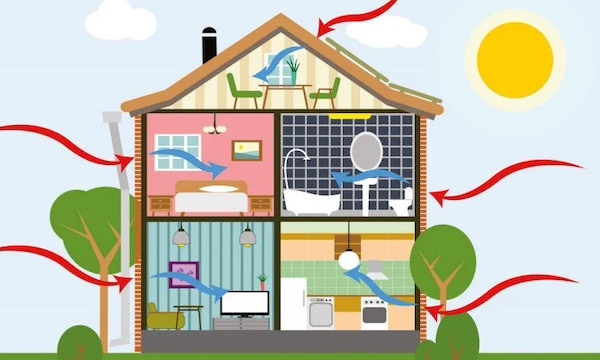
Here are some home energy tips to help you save energy :
1. Insulate your home:
Proper insulation in your walls, attic, and floors can help maintain a comfortable temperature and reduce the need for excessive heating or cooling.
2. Seal air leaks:
Identify and seal any air leaks around windows, doors, and electrical outlets. This prevents drafts and keeps conditioned air from escaping.
3. Upgrade to energy-efficient appliances:
Replace old appliances with energy-efficient models that have high Energy Star ratings. Look for energy-saving features like inverter technology, efficient cooling systems, and smart functionality.
4. Install LED lighting:
Switch to energy-efficient LED light bulbs throughout your home. They last longer and consume significantly less energy than traditional incandescent bulbs.
5. Use natural lighting:
Make the most of natural light during the day by opening curtains and blinds. This reduces the need for artificial lighting and saves energy.
6. Adjust thermostat settings:
Lower your heating temperature during winter and raise the cooling temperature during summer to reduce energy consumption. Use a programmable or smart thermostat to automate temperature adjustments.
7. Use energy-efficient window coverings:
Install blinds, curtains, or window films to block out excessive heat during summer and retain warmth during winter.
8. Unplug unused electronics:
Many devices continue to draw power even when turned off. Unplug electronics or use power strips to easily turn off multiple devices at once.
9. Optimize water heating:
Set your water heater temperature to a lower setting and insulate the water tank to reduce heat loss. Consider using cold water for laundry and shorter showers.
10. Use energy-saving settings:
Adjust energy-saving settings on appliances such as washing machines, dishwashers, and refrigerators to minimize energy consumption.
11. Utilize natural ventilation:
During moderate weather, open windows and use natural ventilation to cool your home instead of relying solely on air conditioning.
12. Harness renewable energy:
Consider installing solar panels or other renewable energy systems to generate clean electricity for your home.
13. Manage your thermostat when away:
Adjust your thermostat when you’re away from home for an extended period to conserve energy.
14. Conduct an energy audit:
Hire a professional or perform a DIY energy audit to identify areas where energy is being wasted and implement targeted improvements.
Remember, even small changes in your energy consumption habits can add up to significant savings over time. Start by adopting a few energy-saving practices and gradually incorporate more into your routine.